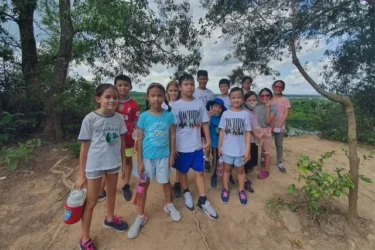
Written by Joshua Tay, Director of Little Rangers Club and a father of three.
Team-based sports activities build social development in children by requiring cooperation, communication, and shared goals during play. Understanding how sports improve social skills in kids starts with seeing social development through sports as a daily practice, not a one-time lesson, which is why families searching for children sports activities Singapore turn to structured, team-based play. Little Rangers Club delivers these benefits through two core programs: the weekly multi-sports classes, covering cycling, rollerblading, fitness, and ball sports for kids ages 4 to 12, and the holiday kids camps, which pack the same teamwork-building activities into immersive sessions during school breaks. Both translate structured play into stronger peer relationships, teamwork and resilience for children, and improved emotional well-being.
The Developmental Benefits of Youth Sports Participation
- Organized sports build resilience in children and deliver measurable improvements in mental health outcomes.
- Youth sports participation correlates with lower anxiety and depression rates among participating children.
- Student athletes demonstrate higher academic performance, including improved GPAs and standardized test scores.
- Parental support and encouragement directly increase children’s sustained interest and involvement in sports.
Why Do Sports Build Social Confidence in Kids?
Building confidence through sports kids activities works by combining physical challenge with structured teamwork, giving children repeated chances to practice cooperation, communication, and self-expression. Group play offers physical, developmental, psychological, and social benefits that classroom settings rarely replicate. A child who learns to pass a ball, negotiate a team strategy, or cheer on a teammate practices social skills the same way muscles practice strength: through repetition.
Multi-sports programs for children social development work because variety keeps engagement high while exposing kids to different group dynamics. Rotating through cycling, ball games, and water activities forces children to adapt their communication style to new teammates and new challenges each session.
Consistent play also strengthens resilience and mental health outcomes. Research links youth sports participation to lower rates of anxiety and depression, higher self-esteem, and improved cognitive performance. Confidence built on the field often carries into classrooms and friendships at home.
Do team sports really teach lessons beyond winning?
Yes. Teamwork, discipline, and shared goals teach lessons that outlast the game itself. Children absorb patience, fair play, and accountability without realizing they’re learning.
Social benefits parents can expect:
- Stronger peer communication under pressure
- Reduced anxiety through consistent physical outlets
- Higher self-esteem from mastering new skills
- Lasting resilience carried into everyday challenges
What Social Skills Do Team Sports Teach?
Team sports teach children confidence, communication, and respect for teammates and opponents alike. Kids who join a match or a group drill learn how to speak up, listen, and understand the value of hard work outside a classroom setting. These lessons stick because they come through play, not lecture.
Multi-Sports Programs for Children Social Development give young athletes a chance to sample many sports inside one supportive, fun setting rather than specializing too early. A child who rotates through ball games, cycling, and team drills meets different personalities each week. That variety builds flexible social skills, not just skill in one sport.
Fundamental motor skills grow alongside these social gains. Movement-based group activities build confidence while encouraging kids to interact, cooperate, and problem-solve together. The result is a well-rounded, resilient child who feels comfortable in group settings, whether on a field, in a pool, or at a park.
How Can Parents Reinforce These Lessons at Home?
Parents strengthen what their child learns at practice by celebrating effort and enjoyment over the final score. Praising a good pass or a determined comeback teaches kids that participation itself has value.
What Skills Do Team Sports Build Beyond the Game?
- Clear communication with teammates and coaches
- Respect for rules, opponents, and shared goals
- Steady confidence built through repeated practice
- Comfort moving and cooperating within a group
How Do Multi-Sport Programs Support Growth?
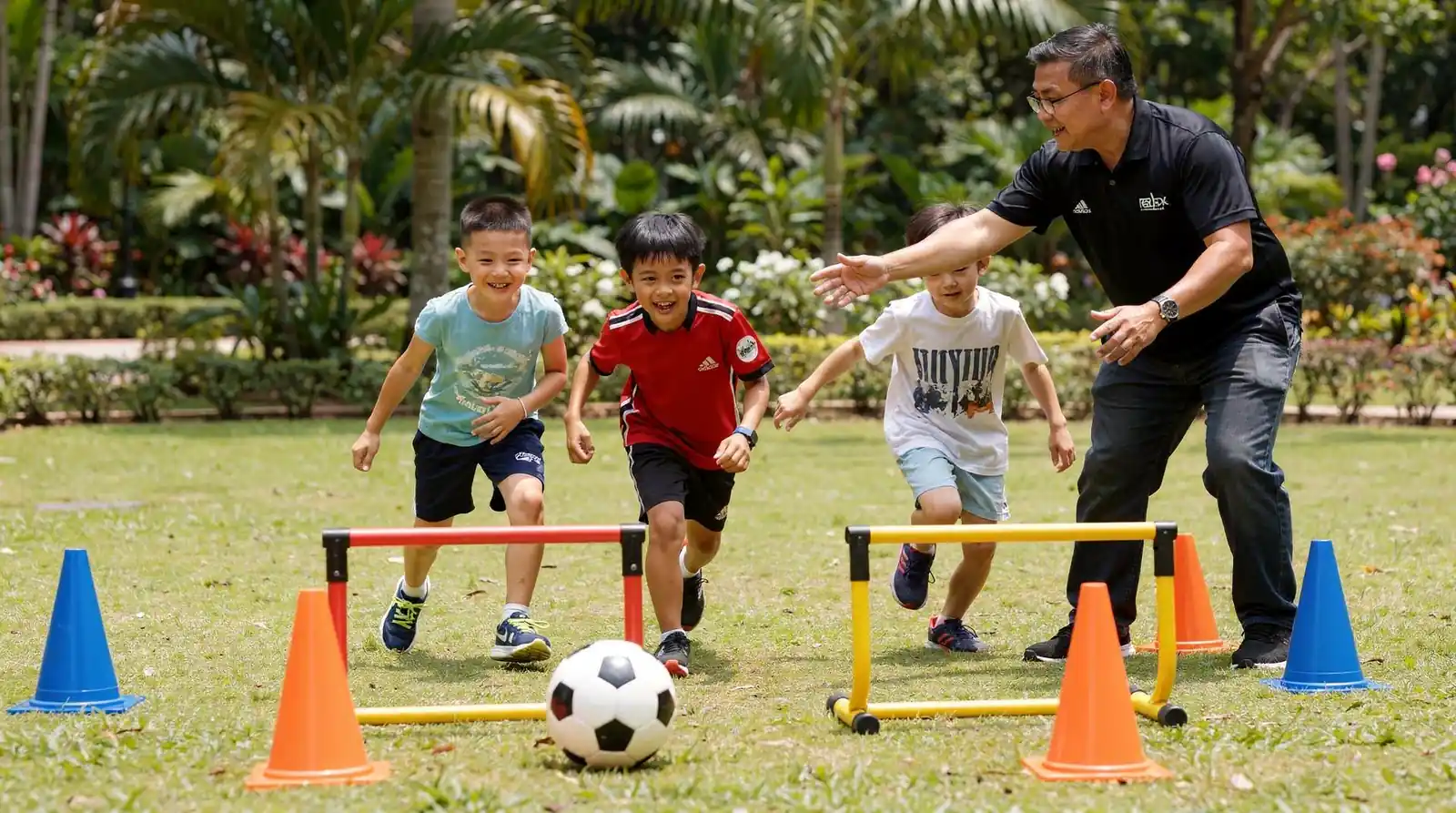
Structured Multi-Sports Programs for Children Social Development build confidence, cooperation, and emotional regulation through repeated, low-pressure exposure to teammates and shared goals. Little Rangers Club’s weekly multi-sports classes deliver this growth session by session throughout the term, while its holiday kids camps compress the same social learning into focused, immersive days during the school breaks, giving children two complementary paths to the same skills. Growth happens fastest when parents pair active practice with steady encouragement at home.
Safety conversations matter as much as skill drills. Coaches and caregivers who talk openly with a child about staying safe and setting personal boundaries give that child a framework for handling physical contact, disagreements, and peer pressure on the field. This groundwork often shapes how a child responds to conflict long after the season ends.
Why does parental support matter for a child’s sports development?
Consistency from home keeps children engaged far longer than talent alone. Encouragement that focuses on effort and enjoyment, rather than scoreboards, helps a child stay interested and involved across seasons instead of dropping out after a rough game.
Three habits reinforce this at home:
- Ask about teammates and moments of teamwork, not just wins
- Celebrate effort during setbacks
- Reinforce boundary-setting conversations after practice
Little Rangers Club is located in Singapore, Singapore, SG.
What Parents Are Saying
Real feedback from Little Rangers Club families shows how quickly these social gains show up at home:
- “My child was shy on the field before joining the soccer program. Within weeks he was more outgoing and had made new friends he still talks about.” – Parent of a Little Rangers Club camper
- “She comes home buzzing after every session, excited to tell us what she tried and who she played with. The variety keeps her looking forward to the next class.” – Parent of a Little Rangers Club camper
- “The confidence and teamwork we’ve seen have been the biggest surprise. He’s more comfortable speaking up in a group and working alongside teammates now.” – Parent of a Little Rangers Club camper
These stories echo what the research shows: consistent, varied play builds the confidence and social comfort that carry well beyond the field.
FAQ
What age group do Little Rangers Club’s multi-sports programs serve?
Little Rangers Club, based in Singapore, offers weekly multi-sports classes for kids ages 4 to 12, covering cycling, rollerblading, fitness, and ball sports to build teamwork and confidence.
How does variety in multi-sports programs boost social development?
Rotating through different activities like cycling, ball games, and water activities exposes kids to new teammates and group dynamics each session, building flexible communication skills beyond one sport.
Do team sports offer benefits beyond physical fitness?
Yes, team sports teach discipline, fair play, and accountability while building resilience and self-esteem, with research linking participation to lower anxiety and improved cognitive performance in kids.
Conclusion
In closing, sports activities serve as powerful catalysts for social development, equipping children with the collaborative skills, emotional intelligence, and resilience they need to thrive in an interconnected world. Through play-based learning experiences that emphasize teamwork and mutual support, children discover their capacity to communicate effectively, navigate challenges alongside peers, and build meaningful connections. These foundational social competencies extend far beyond the playing field, shaping confident, capable individuals prepared to engage positively with their communities and embrace future opportunities with assurance.
Ready to See Your Child Thrive?
Every child deserves the chance to build confidence, friendships, and resilience through play. Whether you’re curious about the weekly multi-sports classes or the holiday kids camps, reach out to Little Rangers Club today and let’s find the right fit for your family.